
Stress Management Techniques for Men
Explore evidence-based approaches to reduce stress, build resilience, and improve your overall wellbeing. Our editorial team has curated practical methods that modern men can integrate into daily life.
Browse by Category
Core Stress Management Techniques
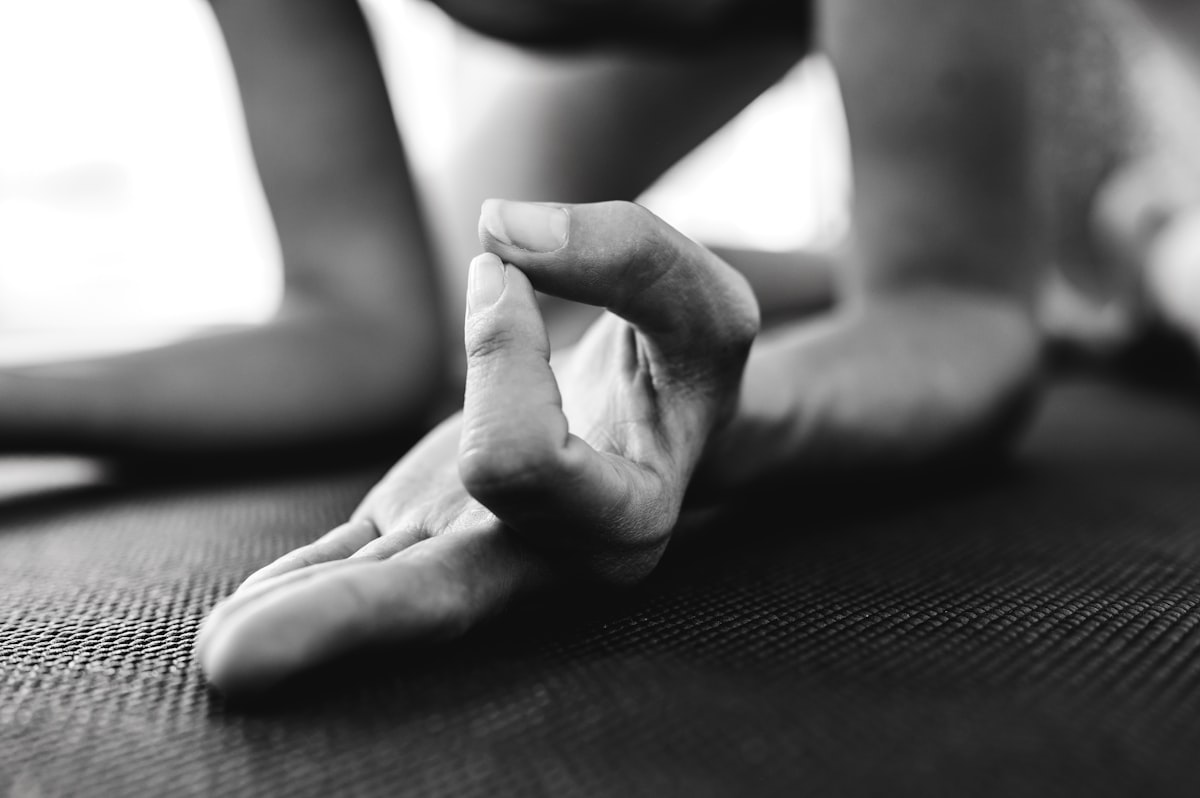
Box Breathing Technique
A simple yet powerful breathing method that activates your parasympathetic nervous system. Learn how to breathe in for four counts, hold for four, exhale for four, and hold again. This technique takes just five minutes and can be practiced anywhere—at your desk, before a meeting, or when facing anxiety.

Progressive Muscle Relaxation
Systematically tense and release muscle groups throughout your body to release physical tension. This evidence-backed method helps you recognize where stress lives in your body and teaches you to consciously relax. Most people notice results within 15 minutes of practice.
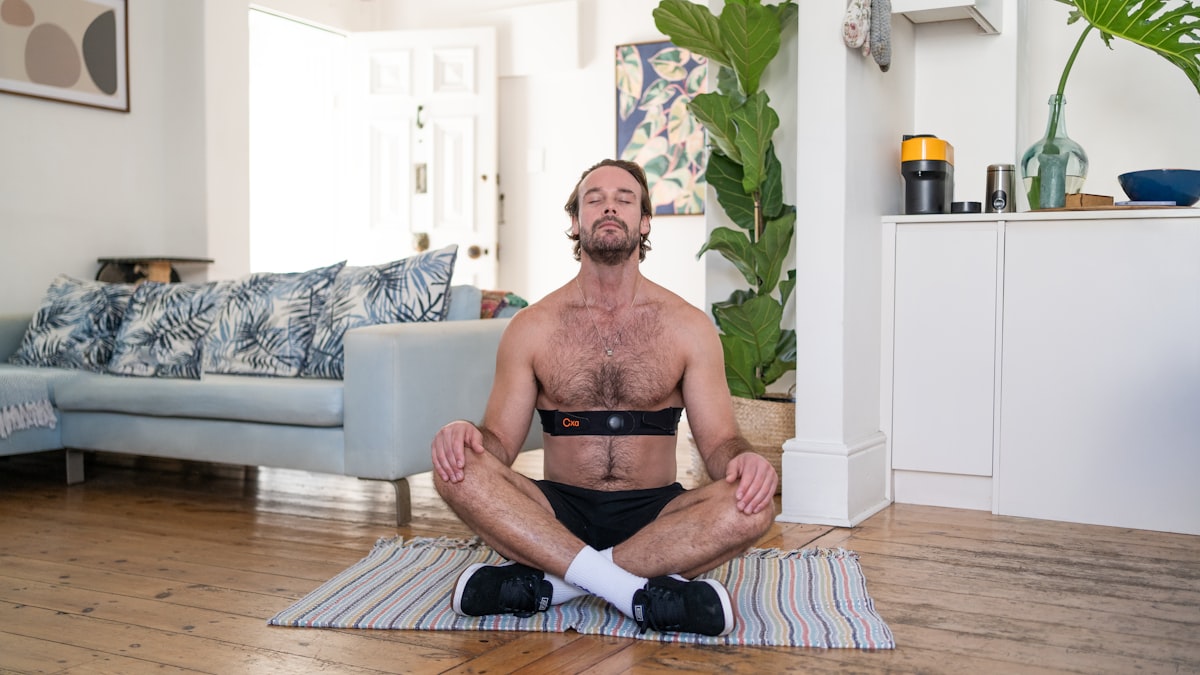
Cold Water Exposure
Brief exposure to cold water builds stress resilience at the biological level. Starting with cold showers or face splashes trains your nervous system to respond calmly to discomfort. This practice also boosts mood and energy, with benefits accumulating over weeks of consistent use.

Mindfulness Meditation
Train your mind to observe thoughts without judgment, creating distance from stress-inducing patterns. Even 10 minutes daily improves emotional regulation and reduces mental clutter. We provide beginner-friendly methods that don't require sitting in silence for an hour.
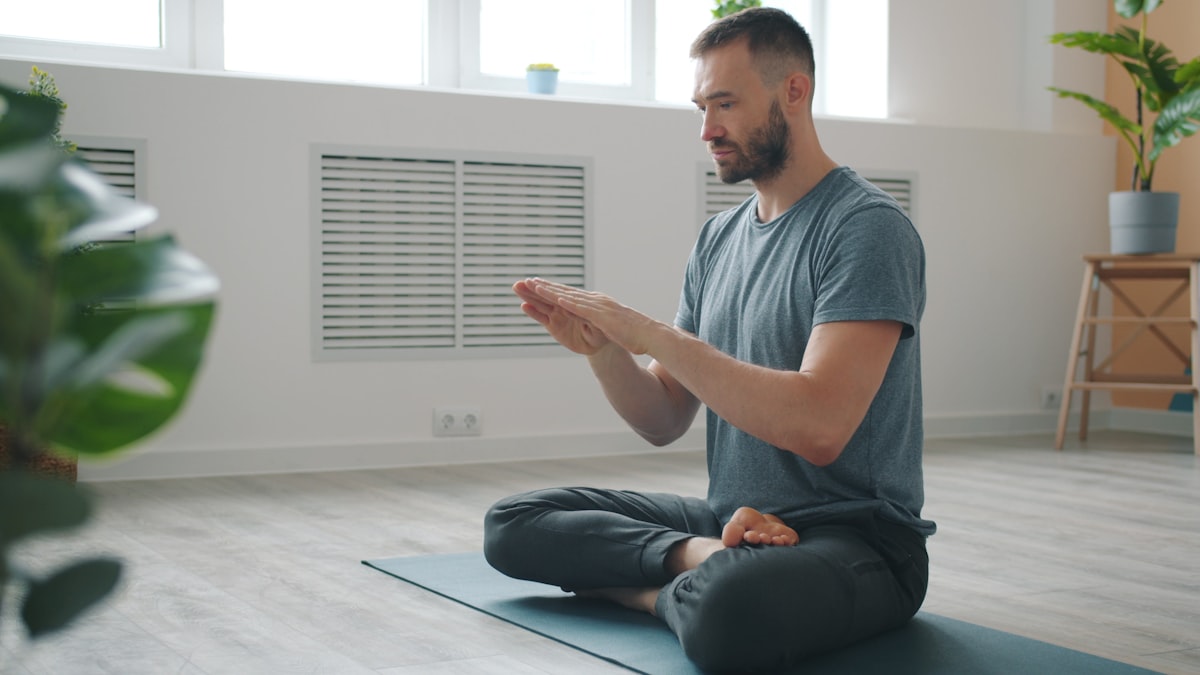
High-Intensity Exercise
Intense physical activity burns off stress hormones and triggers endorphin release. Short bursts of effort—whether sprinting, heavy lifting, or interval training—provide rapid relief. Many men find that 20-30 minutes of intense exercise clears mental fog better than longer, moderate workouts.

Strategic Breaks & Boundaries
Stress prevention often matters more than stress relief. Setting clear boundaries around work hours, phone use, and commitments protects your mental energy. Learn how to schedule true breaks, say no effectively, and create recovery time that prevents burnout before it starts.
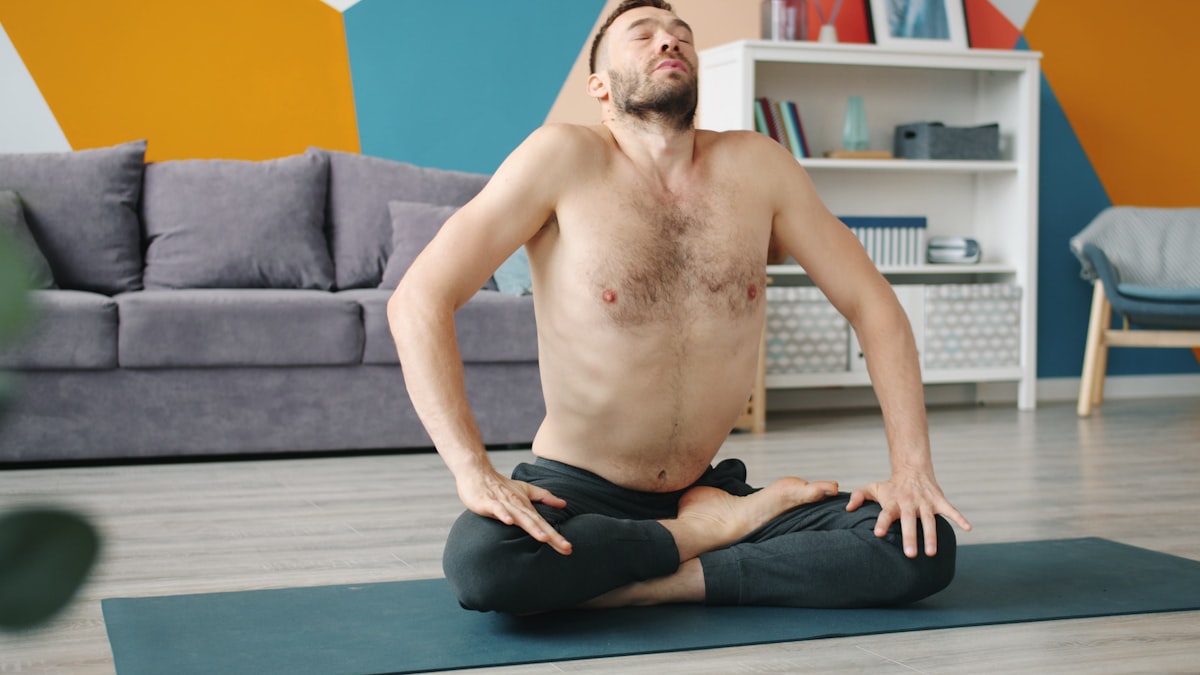
Sleep Optimization
Quality sleep is the foundation of stress resilience. Poor sleep amplifies anxiety and lowers your threshold for handling pressure. Discover practical sleep hygiene improvements—from temperature control to light exposure to bedtime routines—that enhance recovery and mental clarity.

Social Connection & Accountability
Isolation amplifies stress, while meaningful relationships buffer it. Building accountability partnerships—whether with friends, mentors, or group members—provides both emotional support and motivation. Learn how to build and leverage your support network effectively.
Additional Stress Relief Methods
Nutrition & Hydration
What you eat directly affects your stress response. Certain foods stabilize blood sugar and support neurotransmitter production, while others can trigger anxiety. Staying hydrated improves cognitive function and mood. We explore evidence-based nutrition strategies that support stress management without requiring major lifestyle overhauls.
- Foods that reduce cortisol and anxiety
- Supplements that support calm (zinc, magnesium, B vitamins)
- Timing and portion strategies for sustained energy
Cognitive Reframing
Stress isn't always caused by external circumstances—it's often shaped by how we interpret them. Learning to recognize unhelpful thought patterns and deliberately reframe situations reduces perceived stress. These mental tools work best when practiced consistently and combined with other techniques.
- Identifying automatic negative thoughts
- Perspective-shifting exercises
- Building resilience through language patterns
Why Men Need Targeted Stress Management
Men often face unique social pressures that make stress management feel like weakness. But ignoring stress doesn't make it disappear—it compounds, affecting work performance, relationships, and physical health.
The techniques we present are practical, evidence-backed, and designed for busy men who need results without lengthy commitments. Many can be deployed in minutes, integrated into existing routines, or combined for maximum impact.
Backed by Research
Each technique is rooted in peer-reviewed studies and real-world testing.
Time-Efficient
Results possible in 5-30 minutes, fitting modern schedules.
Customizable
Mix and match methods to build your personal stress management system.

How to Begin Your Stress Management Journey
Assess Your Stress
Identify where stress shows up in your life—work, relationships, health, finances. Understanding your unique stress triggers helps you choose the most relevant techniques.
Pick One Technique
Don't try everything at once. Choose a single technique that resonates with you—box breathing, exercise, meditation—and commit to two weeks of consistent practice.
Track Results
Monitor how you feel—sleep quality, mood, energy, anxiety levels. Simple notes or a journal reveal patterns and prove the method is working.
Build Your System
Once the first method sticks, layer in a second or third. Your personalized stress management system becomes more powerful over time.
Frequently Asked Questions
Results vary by person and technique. Box breathing can provide immediate calm—many notice relief within 5-10 minutes of practice. Sleep and exercise benefits often appear within one to two weeks. Meditation and cognitive reframing typically show cumulative results after 2-4 weeks of consistent practice. The key is consistency: daily use, even for short periods, outperforms sporadic intense efforts.
Absolutely. In fact, a layered approach often works better than relying on one method. For example, you might use box breathing in the morning, take a cold shower, maintain exercise three times a week, and practice meditation before bed. Different techniques address different aspects of stress—physical, mental, and lifestyle. The combination is more resilient than any single approach.
Box breathing is ideal for acute work stress because it's discreet, takes only minutes, and provides rapid relief. You can do it at your desk without drawing attention. During breaks, walking or light exercise helps clear mental fog. For chronic workplace stress, setting boundaries around email and meeting schedules prevents burnout before it escalates. Combining quick-relief breathing with boundary-setting creates a comprehensive approach.
Box breathing is often the easiest entry point because it requires no equipment, no special environment, and produces noticeable results within minutes. Exercise is also highly accessible if you already have an activity you enjoy—walking, running, or any sport. The "best" technique is whichever one you'll actually do consistently. Start with what feels natural or appealing to you, then add others as you build confidence.
That's normal and expected. Stress management is personal—no single method works for everyone. If a technique doesn't resonate after 2-3 weeks of honest practice, try a different one. Some men respond better to physical activity, others to breathing or meditation. The goal is finding what works for you, not forcing yourself to adopt a method you dislike. Our articles cover eight major techniques plus additional strategies, so you have many options to explore.